Full-Stack Media Ecology

Year: 2025

Marshall McLuhan: The First Second-Order Cybernetician

Between The Gutenberg Galaxy (1962) and Understanding Media (1964), Marshall McLuhan wrote a short piece on education which was, as usual, a vehicle for him to demonstrate novel linguistic forms to perturb and unsettle the settled modes of thought of readers.

Give this introductory paragraph a quick go, and see if you can parse his meaning:

I wonder whether Jerome Bruner, during the writing of his fine book on The Process of Education, ever asked himself why there has come the sudden acceptance of the “structural” approach in all fields today. Am I really asking him whether he had any structural awareness of the new relevance of the structural approach? Had he also asked himself the causes and origins of the nonstructural approach to life and learning which had dominated the Western world in recent centuries? Since American institutions
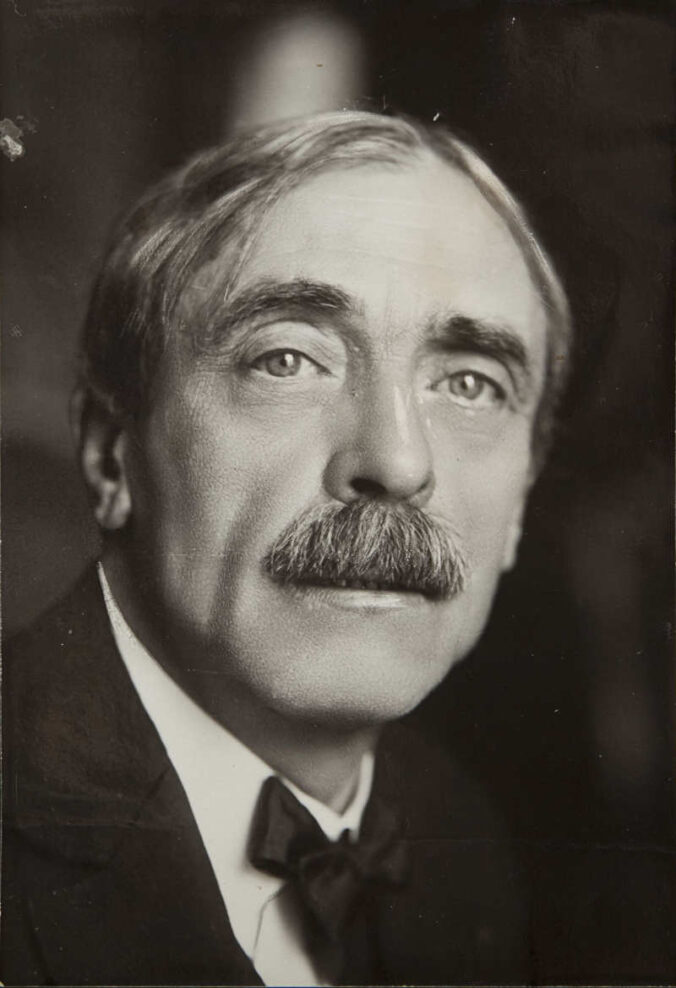
Paul Valéry’s Physiology of Style

In his critical essay James Joyce: Trivial and Quadrivial, Marshall McLuhan makes reference (on page 38 of Interior Landscape) to a passage in critic Paul Valéry’s book Variety V (1945).

The quoted passage is on the nature of language as used by writers. Valéry calls for a reinvention of literary studies which makes use of ancient wisdom and pedagogy—the classical trivium; the figures of rhetoric in particular—to go beyond merely chronicling authors and their lives, and get scientific about language. Those who study today’s large language models will find Valéry’s observations premonitory of their own.

The following is a translation of the full passage (287-293 of Variété V) into English—undertaken, naturally, by a large language model.


The history of literature has greatly expanded in our time and now enjoys numerous academic posts. It is striking, by …

© 2025 Concerned Netizen

Theme by Anders NorenUp ↑